Introduction
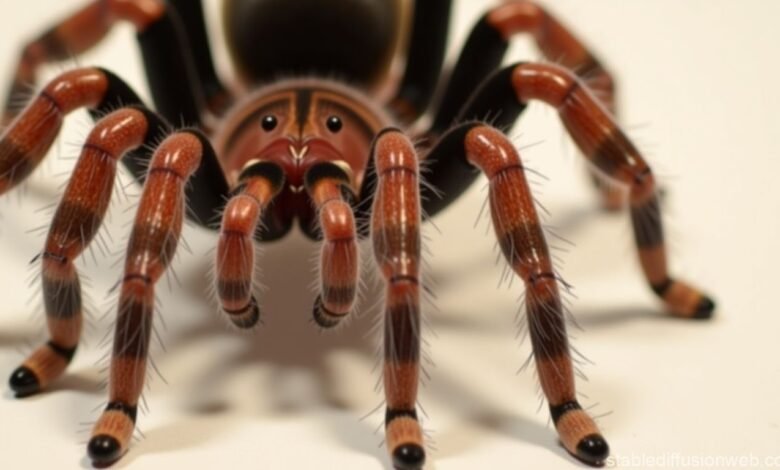
The rose hair tarantula, scientifically known as Grammostola rosea, is one of the most popular and fascinating species of tarantula kept as a pet. Native to the deserts of Chile, Bolivia, and Argentina, this species is loved for its docile temperament, striking appearance, and ease of care. Whether you’re a seasoned tarantula keeper or a beginner looking to get started, the rose hair tarantula is a fantastic choice. In this article, we will cover everything you need to know about this incredible arachnid—from its appearance and behavior to how to care for it properly.
What is a Rose Hair Tarantula?
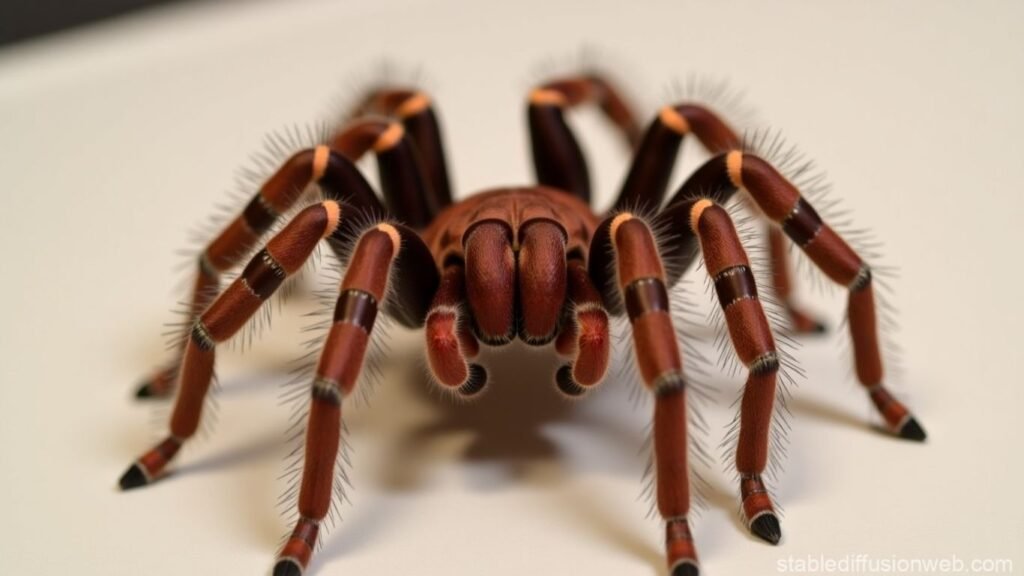
The rose hair tarantula is a medium-sized species of tarantula known for its calm nature and its distinct color pattern. They typically grow to about 4 to 5 inches in leg span and are most recognizable by their pinkish-brown or reddish hairs on their abdomen, giving them their “rose” appearance.
In the wild, these tarantulas are found in dry, arid environments, often burrowing or hiding under rocks and vegetation. They are opportunistic feeders, primarily eating insects such as crickets, beetles, and grasshoppers.
Rose hair tarantulas are relatively long-lived, with females living up to 20 years in captivity, and males usually reaching 5 to 7 years.
How Venomous is a Rose Hair Tarantula?
One of the most common questions people have is how venomous the rose hair tarantula is. The truth is that, while rose hair tarantulas do possess venom, it is not harmful to humans. Their venom is primarily used to subdue prey, not for self-defense. If bitten, a person may experience mild pain or swelling, but it is not life-threatening. For most people, a bite will not require medical attention.
The true danger of tarantulas lies in their defensive behavior, especially when threatened. The rose hair tarantula is known for its ability to kick urticating hairs as a defense mechanism. These tiny hairs can irritate the skin and eyes.
Are Rose Hair Tarantulas Good Pets?
Yes! Rose hair tarantulas are among the best choices for beginners. They are not aggressive, they’re relatively easy to care for, and they have a calm demeanor. While they do not seek constant attention, their fascinating behaviors, such as webbing and molting, make them enjoyable to watch. They’re also low-maintenance compared to many other exotic pets.
Do Rose Hair Tarantulas Like to be Held?
While rose hair tarantulas can be handled gently, they do not actively seek out human interaction. It’s important to approach them calmly and avoid forcing contact. Handling them infrequently and for short periods is advisable, as excessive handling can stress the tarantula.
Why Rose Hair Tarantulas Make Great Pets
Rose hair tarantulas make excellent pets for several reasons:
Temperament
They are generally docile and easy to handle, especially when compared to other tarantula species. Their calm behavior makes them one of the best options for new tarantula owners.
Low Maintenance
Compared to many other exotic pets, rose hair tarantulas are relatively low-maintenance. They don’t require constant attention, and their feeding needs are minimal, making them perfect for those with busy lifestyles.
Affordability
Rose hair tarantulas are widely available at pet stores and online, often at an affordable price. Their availability and relatively low cost make them accessible to most people interested in keeping a tarantula as a pet.
Interesting to Observe
From their unique appearance to their fascinating behaviors like webbing and burrowing, there’s always something captivating about watching a rose hair tarantula in action.
How to Care for a Rose Hair Tarantula
Proper care for your rose hair tarantula ensures its health and well-being throughout its life. Here are some essential care tips:
Habitat Setup
- Tank Size: A 10 to 20-gallon tank is ideal for a rose hair tarantula. A taller tank is recommended, as these tarantulas like to climb and explore.
- Substrate: Use a mix of coconut fiber, peat moss, or potting soil for the substrate. It should be deep enough to allow the tarantula to burrow if it desires.
- Temperature and Humidity: These tarantulas thrive in temperatures between 75 to 85°F (24 to 29°C). While they are tolerant of dry conditions, providing some humidity (around 60%) is important for molting and overall health.
Feeding
Rose hair tarantulas are opportunistic feeders and typically eat live prey, such as crickets, mealworms, or other insects. Feed them every 7 to 10 days, adjusting the frequency based on their age and size. It’s crucial to remove any uneaten food after 24 hours to prevent mold or bacterial growth.
Molting Process
Molting is a natural part of a tarantula’s life cycle. During this time, they shed their exoskeleton to grow. Rose hair tarantulas usually molt every 6 to 12 months, especially when they are young. It’s important not to disturb a tarantula while it is molting, as this is a vulnerable time for them.
Health and Well-being
Regularly check for signs of poor health such as lethargy, lack of appetite, or discolored skin. If you notice any issues, consult a veterinarian experienced with exotic pets.
Rose Hair Tarantula Myths and Misconceptions
There are several myths about the rose hair tarantula, most of which can be easily debunked:
- Myth: Rose hair tarantulas are aggressive.
- Fact: Rose hair tarantulas are generally calm and rarely show aggression unless provoked.
- Fact: Rose hair tarantulas are generally calm and rarely show aggression unless provoked.
- Myth: All tarantulas are venomous and dangerous.
- Fact: While all tarantulas have venom, the rose hair tarantula’s venom is not harmful to humans and is used primarily for capturing prey.
The Rose Hair Tarantula’s Molt: A Fascinating Process
Molting is one of the most mesmerizing processes to witness in a tarantula’s life. During molting, the tarantula will shed its old exoskeleton to grow a new one. It’s a delicate process that can take several hours. After molting, the tarantula will be vulnerable, and it’s essential to give it space to rest and recover before feeding it again.
Frequently Asked Questions (FAQs)
What happens if a rose-haired tarantula bites you?
A bite from a rose-haired tarantula can cause mild pain, swelling, and a slight burning sensation, but it is rarely dangerous. The venom is not potent enough to cause harm to humans.
Is tarantula hair poisonous?
No, tarantula hair is not poisonous, but it can irritate if it comes into contact with the skin or eyes. Some species, like the rose hair tarantula, can kick these hairs when threatened.
What is the friendliest tarantula to own?
The rose hair tarantula is often considered one of the friendliest species to own due to its calm nature and ease of care.
What is the lifespan of a rose hair tarantula?
Female rose hair tarantulas can live up to 20 years in captivity, while males generally live 5 to 7 years.
Is it safe to touch a tarantula?
It is generally safe to touch a tarantula, like the rose hair, but you should do so gently and infrequently to avoid stressing the animal.
What happens if you breathe in tarantula hairs?
Breathing in tarantula hairs can irritate your lungs, causing coughing or discomfort. It is essential to handle tarantulas with care and avoid getting their hairs airborne.
Do rose hair tarantulas make webs?
Yes, rose hair tarantulas do create webs, though not to the extent of some other species. They use webs for shelter and to catch prey.
Why is my rose hair tarantula not eating?
Rose hair tarantulas may stop eating due to factors like molting, stress, or environmental changes. Ensure the tank conditions are ideal and avoid disturbing the tarantula during sensitive periods.
Conclusion
From a beginner’s perspective, the rose hair tarantula is one of the most fascinating and low-maintenance pets you can own. Their docile nature, stunning appearance, and relatively simple care requirements make them a popular choice for both new and experienced tarantula keepers. With proper care, your rose hair tarantula can live a long, healthy life, providing years of enjoyment and intrigue. Embrace the experience of caring for one of nature’s most beautiful arachnids—you might find that this feared creature becomes a source of fascination and admiration.
READ MORE: Buzznewsdaily