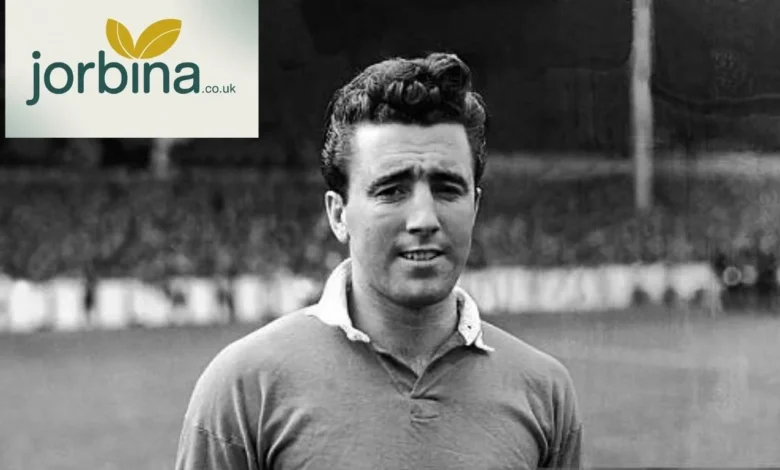
A quiet name with a lasting echo
What makes one footballer remembered long after the final whistle? Is it trophies, headlines, or something quieter that lingers in memory? Roy Saunders never chased noise. He built his reputation through steady play, calm decisions, and a clear view of the game. That approach shaped his career and later influenced the people around him, including his son Dean Saunders. Let me explain why Roy Saunders still matters.
Who was Roy Saunders
Roy Saunders was a professional footballer who played in England and Wales during a competitive era. He was born on 4 September 1930 in the City of Salford. He later became known as a solid left half who served both Liverpool FC and Swansea Town. Fans remember him as dependable rather than flashy. That label often hides real value.
Early life and first steps in football
Every football story begins somewhere ordinary. For Roy Saunders, it began in Salford, where football filled the streets and local grounds. He grew up watching the game at close range and learning its rhythms early. Those years shaped his style. He played with awareness and discipline rather than raw aggression. That foundation carried him into professional football.
Joining Liverpool FC during a demanding era
Roy Saunders joined Liverpool FC at a time when competition for places was fierce. The club featured strong personalities and talented players across the pitch. Liverpool FC expected consistency above all else. Roy Saunders brought exactly that. He did not dominate headlines, yet he earned respect inside the club.
Life as a left half at Liverpool
Playing as a left half demanded intelligence. The role required reading the game and covering space while linking defence and attack. Roy Saunders handled those duties with care. However, he struggled to secure a regular starting place due to the form of wing halves Phil Taylor and Bob Paisley. That challenge says more about the squad’s depth than his ability.
What Liverpool FC records reveal
Liverpool career stats for Roy Saunders show limited appearances, yet those numbers never tell the whole story. Training sessions mattered. Squad presence mattered. Roy Saunders contributed during a period when Liverpool laid the foundations for future dominance. His time at Anfield formed part of a broader football education.
Moving on to Swansea Town
After Liverpool, Roy Saunders found a more regular role at Swansea Town. The move allowed him to express his strengths week after week. Swansea supporters saw a composed footballer who understood positioning and teamwork. He helped stabilise matches and guide younger players through example rather than instruction.
Leadership without shouting
Some leaders shout. Others speak through actions. Roy Saunders belonged to the second group. Teammates often described him as calm and reliable. He rarely overcomplicated decisions. That habit reflected clear thinking on the pitch and off it. Football rewards clarity, especially under pressure.
Roy Saunders as a father and influence
Roy Saunders is also known as the father of Dean Saunders. That connection invites curiosity. Did football dinner table conversations shape Dean’s career? Almost certainly. Roy Saunders passed on lessons about discipline and patience. He understood football as a long game rather than a sprint.
Dean Saunders and the family football line
Dean Saunders went on to enjoy a successful career as a striker. He played for several clubs and represented Wales. While their playing styles differed, the mental approach shared similarities. Roy Saunders taught respect for the game and its demands. That influence extended beyond tactics.
A grandfather’s legacy
Roy Saunders was also the grandfather of Callum Saunders. Football families often carry unspoken traditions. These include work ethic and humility. Even when careers diverge, those values remain. Roy Saunders left behind more than match reports. He left a mindset.
Life after football
After retiring from professional football, Roy Saunders lived a quieter life. He settled in Swansea, where he remained connected to the community. Many former players struggle with the transition away from the pitch. Roy Saunders adapted with the same calm focus he showed as a player.
Roy Saunders Bay Hill and Roy Saunders golf
Searches for ‘Roy Saunders Bay Hill’ and ‘Roy Saunders golf’ appear often. These terms reflect curiosity about his later interests and possible community ties. While he was not known as a professional golfer, many retired footballers turn to golf for its rhythm and discipline. The connection speaks more to lifestyle curiosity than confirmed competition.
Remembering Roy Saunders through photographs
One popular listing titled Football Photo>ROY SAUNDERS Liverpool 1950s | eBay UK shows how visual history keeps players alive. These images capture posture and presence. They remind fans of a time when football felt closer to the ground and less commercial.
Roy Saunders in online records
Modern platforms preserve details that once faded. Listings such as Liverpool FC — Roy Saunders and profile pages document his career clearly. They confirm birth and death dates and club history. Roy Saunders was born in 1930 and passed away on 29 January 2009 in Swansea at the age of 78.
Clear thinking as a football skill
What does clear thinking look like on a football pitch? It means choosing the simple pass. It means holding a position when others rush forward. Roy Saunders embodied that approach. He trusted structure and timing. These traits often go unnoticed, yet they hold teams together.
Lessons modern players can learn.
Modern football values speed and flair. Still, the game rewards intelligence. Roy Saunders offers a lesson in restraint. Players who understand space and tempo often outlast those who rely on bursts of brilliance. Clear thinking remains timeless.
Why Roy Saunders still draws interest
Why do people still search for Roy Saunders? The answer lies in heritage. Football fans enjoy tracing roots. They want to understand how past players shaped clubs and families. Roy Saunders sits at the intersection of Liverpool history and Welsh football culture.
Roy Saunders beyond statistics
Statistics rarely capture presence. Roy Saunders may not dominate record books, yet his influence shows through continuity. Clubs depend on such figures to maintain standards. They form the backbone of dressing rooms.
Internal connections and broader sports culture
If you enjoy stories about thoughtful athletes, you may also appreciate pieces like Jim Cannon, The Loyal Leader Who Defined Crystal Palace. Leadership often shares common traits across sports. Calm authority stands out.
Mental strength across disciplines
Clear thinking matters beyond football. It appears in cricket and horse racing as well. Articles like Dermot Reeve and the Psychology of Performance explore similar themes. Roy Saunders fits comfortably within that conversation.
Order and discipline off the pitch
Public records also show structured lives. Listings such as Roy SAUNDERS personal appointments – Companies House reflect organisation beyond sport. These details add texture rather than drama.
Curiosity beyond football
Some readers explore wider sporting worlds after learning about footballers. For example, Discover Racing Royalty on the William Haggas Stable Tour shows how discipline travels across sports. Roy Saunders lived by principles that fit many arenas.
Death and remembrance
The death of former Swansea City star Roy Saunders marked the end of a steady life in football. Coverage from Wales Online reflected respect rather than spectacle. He left quietly as he lived. That consistency feels fitting.
Why quiet careers deserve attention
Not every football story needs controversy. Roy Saunders proves that professionalism itself can inspire. Fans benefit from revisiting such careers. They remind us that football depends on balance, not just brilliance.
Roy Saunders as a reference point
When discussions turn to dependable players, Roy Saunders often appears as a reference. His career offers context for how teams functioned in the 1950s. Understanding that era deepens appreciation for today’s game.
Final thoughts on Roy Saunders
Roy Saunders did not chase legacy. He earned it through clarity and consistency. His story invites a simple question. What if success means doing the right thing repeatedly, even when few notice?
FAQs
Did Dean Saunders’ dad play for Liverpool?
Yes. Roy Saunders played for Liverpool FC during the 1950s. He competed for a place in a strong squad and contributed as a left half.
Where does Dean Saunders live?
Dean Saunders has lived in several places due to his football and coaching career. His current residence is private and not always publicly confirmed.
Who did Dean Saunders play football for?
Dean Saunders played for clubs including Liverpool, Aston Villa, Derby County, and Sheffield United. He also represented Wales internationally.
Who was the bad goalkeeper for Liverpool?
Football history includes debates about form and mistakes. Liverpool FC has had many goalkeepers across eras. It is more accurate to discuss performances in context rather than label individuals.
Did Liverpool refuse to sell Suarez?
Liverpool initially resisted selling Luis Suárez before eventually agreeing to his transfer to Barcelona in 2014. Club decisions often balance timing and value.