Introduction
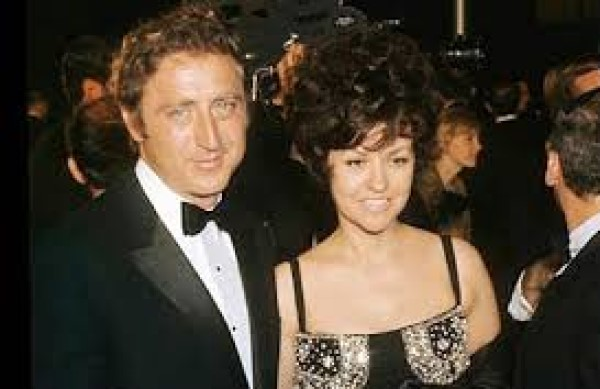
Mary Joan Schutz is one of those rare individuals connected to Hollywood fame who consciously chose to remain invisible. Best known as the second wife of legendary actor Gene Wilder, she lived on the edges of stardom without ever stepping into its glare. While many people associated with celebrities embrace attention, Mary Joan Schutz consistently moved in the opposite direction.
Her story is not one of red carpets or interviews, but of privacy, family, and personal boundaries. In a media-driven age, that choice makes her life especially intriguing.
Who Was Mary Joan Schutz?
Mary Joan Schutz was an American woman whose name entered the public record solely because of her marriage to Gene Wilder. She never worked in entertainment, never sought publicity, and never attempted to build a public identity from her association with fame.
Key details about her life include:
- Formerly married to Gene Wilder
- Mother to a daughter from an earlier relationship
- Known for guarding her privacy
- Absent from media and public life
Her quiet presence stands in contrast to modern celebrity culture, often covered by outlets such as Buzznewsdaily, where public figures and personal histories are regularly examined.
Early Years and Personal Values
Mary Joan Schutz was born in the United States, likely in the late 1930s. Very little is publicly documented about her early life, which in itself reflects her lifelong commitment to discretion.
What can be inferred is that she valued:
- Emotional authenticity
- Family stability
- A life away from public scrutiny
These values shaped how she approached her marriage and motherhood.
Marriage to Gene Wilder
How Their Relationship Began
Mary Joan met Gene Wilder during the mid-1960s, as his career was beginning to gain traction. Their connection developed privately, without press attention or Hollywood spectacle.
Their Wedding
They married in 1967, marking Wilder’s second marriage. At the time, he was becoming increasingly visible as an actor, though their personal life remained largely shielded from the public eye.
Life Alongside Fame
Unlike many spouses of film stars, Mary Joan Schutz did not adopt the role of a public companion. She rarely appeared at industry events and did not participate in interviews or promotional activities.
Instead, her focus remained on:
- Creating a stable home
- Supporting her husband privately
- Protecting her family from exposure
This behind-the-scenes role was vital, even if it went unseen.
Motherhood and Family Life
Her Daughter Katharine
Before marrying Gene Wilder, Mary Joan had a daughter named Katharine. Following the marriage, Wilder formally adopted her, becoming her legal father.
A Blended Family
For a time, the family lived together as a close unit. Mary Joan placed her daughter’s well-being at the centre of family life, even as Wilder’s career demands increased.
The emotional complexities of blended families are often explored in personal biographies, such as Brian Brenberg Bio: How He Built a Remarkable Legacy, where private life and public success frequently intersect.
Challenges and Separation
As Wilder’s fame grew, pressures emerged within the marriage. Differences in lifestyle, expectations, and emotional needs eventually created distance between them.
The couple divorced in the early 1970s. Following the separation, Gene Wilder became estranged from Katharine, a situation that reportedly lasted many years. The emotional fallout underscores how deeply personal relationships can be affected by fame and change.
Life After Divorce
Choosing Silence
After the marriage ended, Mary Joan Schutz withdrew entirely from public awareness. She did not publish memoirs, speak to journalists, or re-enter the spotlight in any form.
Her post-divorce life is marked by:
- No public career
- No social media presence
- Minimal public documentation
This decision mirrors the lives of other historically private figures, such as those discussed in Who Was Jane Mary Ashton—and Why Did She Vanish in 1924?, where absence itself becomes part of the story.
Why Interest in Mary Joan Schutz Endures
The Allure of Privacy
In an age defined by oversharing, Mary Joan Schutz’s silence feels unusual. The lack of information surrounding her later life has only increased public curiosity.
Connection to Cultural History
Gene Wilder’s enduring legacy ensures continued interest in the people who shaped his personal life. Much like creative innovators featured in Christopher Batten: A Journey Through Art, Innovation, and Influence, Mary Joan’s impact was subtle but meaningful.
Media Portrayal and Reputation
When mentioned in biographies or historical accounts, Mary Joan Schutz is almost always described respectfully. She has never been linked to controversy, public disputes, or scandal.
Her reputation remains defined by restraint, dignity, and personal choice.
Legacy of a Quiet Life
Mary Joan Schutz did not leave behind awards, headlines, or public accolades. Instead, her legacy lies in:
- Protecting her family’s privacy
- Refusing to profit from personal relationships
- Choosing a life on her own terms
Her story reminds us that not all meaningful lives are lived in public view.
Final Thoughts
Mary Joan Schutz stands as a powerful example of someone who brushed against fame yet deliberately stepped away from it. Her life offers a counter-narrative to celebrity culture—one grounded in privacy, restraint, and emotional integrity.
By understanding her story, we gain a fuller picture of Gene Wilder’s personal world and a deeper appreciation for the strength it takes to remain unseen in a world that constantly demands attention.