Clare Fellows: The Creative Talent Behind Film and Television Costumes

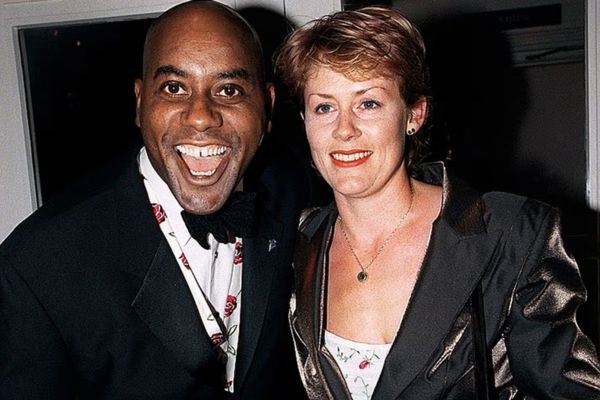
Introduction to Clare Fellows
The world of film and television often celebrates actors, directors and producers, yet many talented professionals work quietly behind the scenes to bring stories to life. One such individual is Clare Fellows. Known for her work in the costume and wardrobe department, Clare Fellows has contributed to the visual storytelling of several television and film productions.
Costume design plays a vital role in entertainment. The clothes characters wear help define personality, historical setting and social status. Professionals like Clare Fellows ensure that every outfit on screen supports the story being told. Although she may not be a household name, her work reflects the dedication and creativity required in the costume design industry.
Understanding Clare Fellows’ contributions offers insight into an essential yet often overlooked part of filmmaking.
Early Life and Interest in Costume Design
Passion for Creativity
While detailed information about Clare Fellows’ early life is limited, many professionals in costume design share a similar path. A passion for fashion, textiles, theatre or art often inspires individuals to pursue careers in costume departments.
Costume design requires more than simply selecting attractive clothing. Designers must understand colour, character psychology, historical fashion trends and storytelling. Those who succeed in the field usually develop strong creative instincts and a deep appreciation for visual aesthetics.
It is likely that Clare Fellows developed these creative interests early in life, eventually leading her towards the entertainment industry.
Education and Training
Many costume designers begin their careers through training in fashion design, theatre production or fine arts. These programmes teach important skills such as fabric selection, garment construction, research techniques and collaboration within production teams.
The costume department works closely with directors, actors and production designers. Understanding storytelling and character development is therefore essential for anyone entering this profession.
Clare Fellows’ later work in television suggests she gained the knowledge and experience necessary to operate in this demanding and highly creative environment.
Entering the Television Industry
First Steps in the Costume Department
Breaking into the television industry is rarely simple. Many costume professionals start in assistant roles where they learn the practical side of production. Tasks may include organising wardrobe items, assisting actors with fittings and ensuring costumes remain consistent during filming.
These early experiences are crucial. Television productions move quickly, and costume teams must be able to solve problems under tight deadlines. Small details, such as a missing button or damaged costume, must be corrected immediately to avoid delays.
Clare Fellows began building her career through similar behind-the-scenes roles, gradually gaining recognition for her reliability and creative contribution.
The Importance of Teamwork
Costume departments operate as collaborative teams. Designers, assistants and wardrobe supervisors all contribute to the final visual result.
For example, one person may research historical clothing while another focuses on sewing alterations. Others manage costume continuity, ensuring that characters wear the correct outfits in each scene.
Professionals like Clare Fellows play an important role in maintaining this coordination. Even when audiences are unaware of the team’s efforts, their work helps create believable characters on screen.
Notable Work and Television Credits
Contributions to Television Productions
Clare Fellows has worked on television projects in the costume and wardrobe department. One of her recognised contributions includes work on the well-known British sitcom Birds of a Feather.
In television productions like this, costume designers help establish each character’s personality. Clothing choices reflect social background, lifestyle and humour within the storyline.
For example, a character known for being stylish might wear bold colours and fashionable accessories, while another character might dress in more practical everyday clothing. These decisions help audiences quickly understand who the characters are.
Work on Film Productions
Clare Fellows also contributed to film productions through costume assistance roles. One such project includes Spymaker: The Secret Life of Ian Fleming.
Productions based on historical figures require extensive research to ensure authenticity. Costume teams study photographs, historical documents and fashion trends from the time period portrayed in the story.
Accurate costumes allow viewers to feel transported into another era. Even subtle details such as hat styles or fabric patterns can significantly influence the realism of a scene.
Clare Fellows’ involvement in these projects demonstrates her experience within professional costume departments.
The Role of Costume Design in Storytelling
Creating Character Identity
Clothing is one of the most powerful visual tools in storytelling. Before a character even speaks, their appearance communicates important information to the audience.
A wealthy businessperson may wear tailored suits, while a rebellious teenager might appear in casual street fashion. Costume designers carefully plan these choices so that they match the script and character development.
Professionals like Clare Fellows help translate these ideas into practical wardrobe designs that actors can wear comfortably during filming.
Reflecting Historical and Cultural Context
In historical dramas or period films, costumes must accurately represent the time period. Designers research fabrics, colours and garment construction methods used during that era.
For example, clothing from the Victorian era differs greatly from modern fashion. Without accurate costume design, a historical film would quickly lose credibility.
Costume departments therefore play a vital role in preserving authenticity within storytelling.
Challenges in the Costume Department
Fast-Paced Production Schedules
Film and television productions often operate under strict deadlines. Costume teams must prepare dozens of outfits while managing fittings, repairs and continuity.
If a scene requires multiple takes over several days, the costumes must look exactly the same each time. Even small changes, such as a misplaced accessory, can affect the continuity of the story.
Professionals working in wardrobe departments must stay organised, patient and detail-oriented.
Balancing Creativity and Practicality
Costume design involves creative imagination, but it must also remain practical. Actors need to move comfortably, perform stunts and spend long hours in their costumes.
Designers must therefore select materials that look visually appealing while also allowing flexibility and durability.
Clare Fellows’ experience within costume departments reflects the balance required between artistic vision and practical filmmaking needs.
Behind-the-Scenes Professionals in Entertainment
Why Costume Designers Receive Less Public Attention
Many viewers are familiar with actors and directors but may not recognise the names of costume designers. This is simply because their work happens behind the camera.
However, without these professionals, television and film productions would not achieve their distinctive visual style.
Costume departments contribute just as much creativity and effort as any other part of the production team.
Recognition Within the Industry
Within the entertainment industry, costume designers receive recognition through professional awards and credits. Film festivals and television academies often honour outstanding costume work.
Although Clare Fellows may not be widely known to the general public, her contributions remain part of the collaborative effort that shapes television storytelling.
The Lasting Importance of Costume Design
Visual Storytelling in Modern Media
As television and film productions continue to evolve, costume design remains an essential component of storytelling. Streaming platforms, historical dramas and fantasy series all rely heavily on detailed wardrobe design.
From subtle character outfits to elaborate historical costumes, wardrobe teams help define the visual identity of each production.
Inspiration for Future Designers
Professionals like Clare Fellows represent the many talented individuals who build careers behind the scenes. Their work may not always receive public recognition, yet it remains vital to the success of every production.
For aspiring designers interested in fashion or film, costume departments offer exciting opportunities to combine creativity with storytelling.
Conclusion
Clare Fellows may not be a widely recognised public figure, but her work within the costume and wardrobe departments of film and television highlights the importance of behind-the-scenes professionals in the entertainment industry.
Through her contributions to productions such as Birds of a Feather and Spymaker: The Secret Life of Ian Fleming, she played a part in shaping the visual presentation of characters and stories seen by audiences.
Costume design is a complex and creative field that requires artistic vision, research skills and teamwork. Professionals working in this area help bring fictional worlds to life by ensuring that every character’s appearance reflects their role within the story.
Clare Fellows’ career represents the dedication of countless individuals who work quietly behind the scenes to support the magic of television and film. Even when their names are not widely known, their creative influence remains visible on screen.
By understanding the work of costume professionals like Clare Fellows, audiences can gain a deeper appreciation for the artistry and collaboration involved in bringing stories from script to screen.